I receive a commission for the associated links in my blog. All links are associated with items that my family have used and love. My family thanks you ❤️💛💙
When your child receives an Autism diagnosis they sit you down, tell you something you probably have already known and hand you the pile. The pile of “resources,” therapies, lists of information to now tell the school, people to get into contact with and the list goes on and on. In this pile are hours and hours of work, hours of phone calls, meetings and PAPERWORK. You have just been thrown into a new world and while you are sitting there you don’t even know it.
In this article I will discuss 10 things I wish I knew before I was handed that mound of paperwork. These are 10 things I hope you are able to process better than I have in my two years in the autism community.

1. Celebrate the Small Victories
By nature, you will find yourself comparing your children to those of their age around you. You’ll notice when Sally starts talking or answering yes and no questions. You’ll notice when Robert is able to start playing t-ball or soccer at 4 and your kiddo cannot follow more than one step directions. BUT, you will also begin to notice everyday miracles.
You’ll notice the first time they play with a toy appropriately, pretend play for the first time or notice another child and interact with them. These are small things that come naturally to most children and most parents do not have the pleasure of witnessing, but you do. You’ll celebrate when they are three years old and finally say their first word or pick up a spoon. You now have the privilege of learning the true meaning behind the beauty of small and simple things.
2. Never Stop Advocating
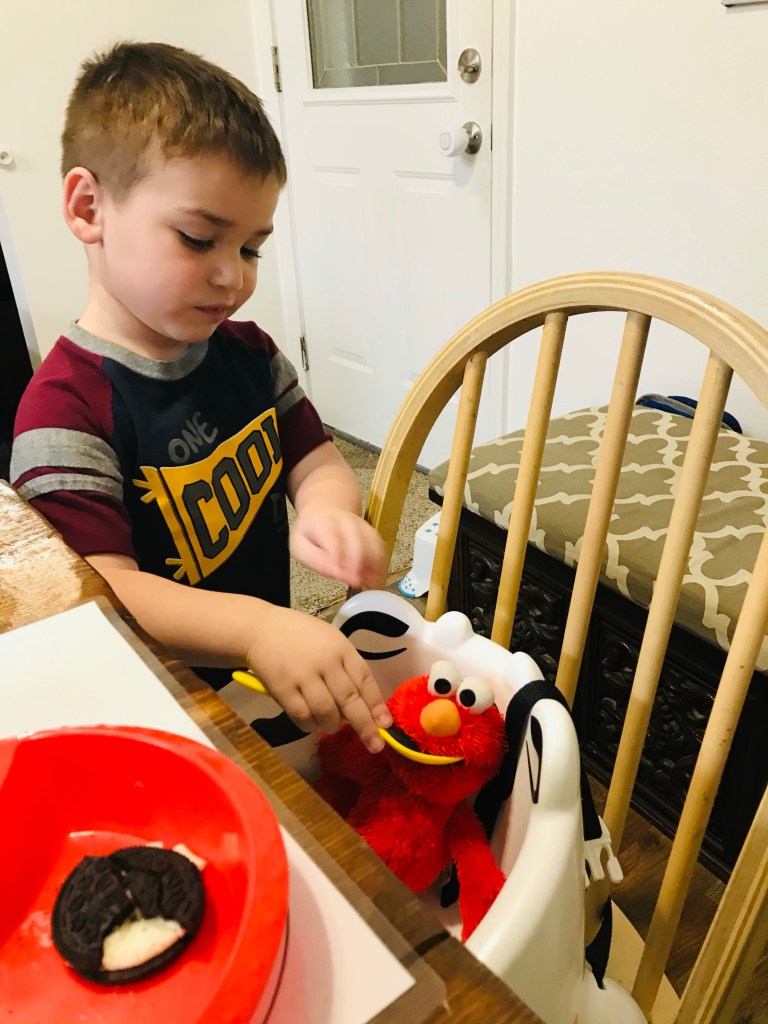
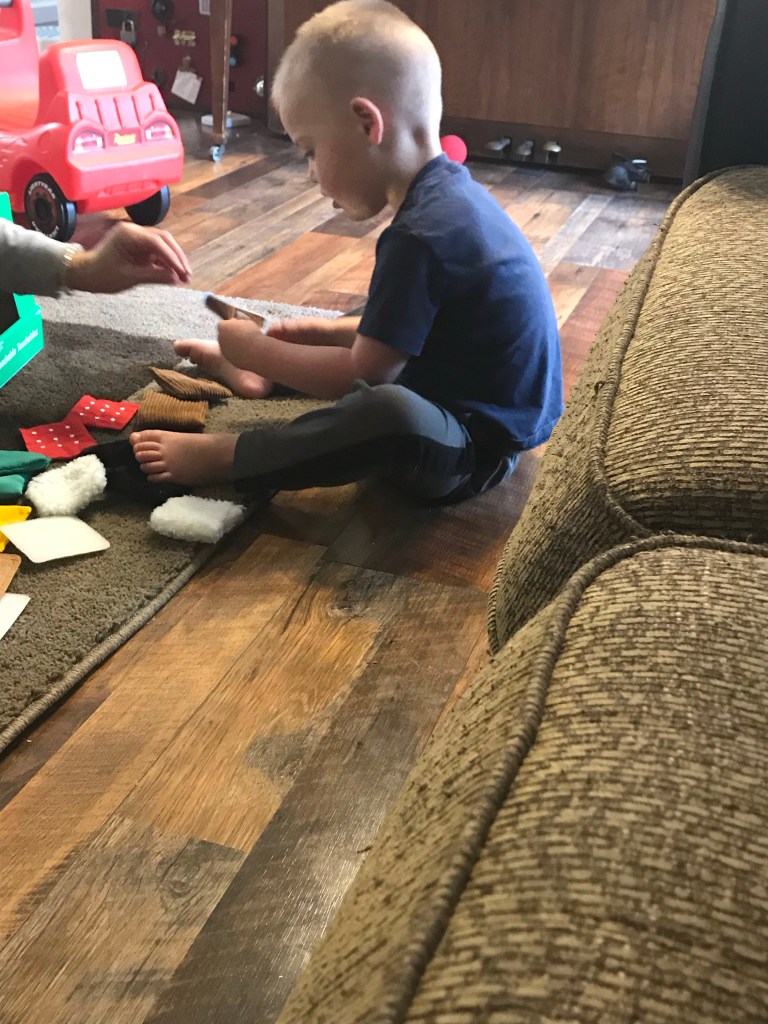
The first place I took Vincent to when I suspected delays was the current school district we lived in. They looked at my child, told me he was making eye contact, he did not qualify for services and they did not suspect autism. My “mommy gut” did not agree. I sent in for an evaluation at the autism center anyways. 6 months later, we had a diagnosis and several services in work. Never stop advocating for your child. YOU know best.
Since that time we have gone through different therapies, therapists and school districts trying to find the correct treatment. Each week I think we get a little closer to the therapy that will help Vincent function most Appropriately in our world.
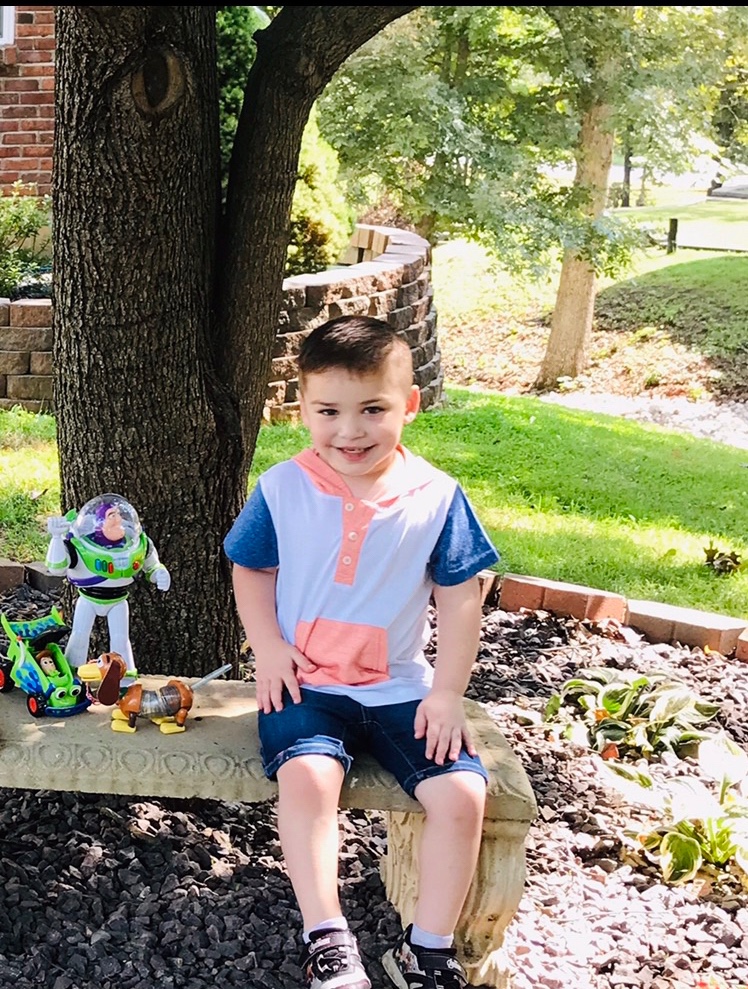
Maxwell still has no spoken words, finding a form of communication that works for him has proved difficult over the last year, but we will continue to be his voice while he has none.

3. Find your People
I am not sure how I would do any of this without my amazing support system. My children are blessed with aunts, uncles, grandparents, great grandparents and even close friends that know their stories and will stand by and advocate for them when needed. It’s important to have people that get it. That understand a trip to the park can quickly turn into a meltdown, be understanding of that and help both you and your children work through that. Don’t forget, you need someone too.
If you do not have family that is as involved as mine, find a close friend or even Facebook! I’m on several “autism mom” Facebook pages. No one gets it more than someone who is actually going through it with you too. There is an unbreakable bond between autism mamas and it’s evident on pages like this. You DO have people. You just have to find them, open up and be willing to except the help.

4. Educate and Advocate
A large part of advocating for our kiddos is educating those in their lives. How can we expect people to understand the quirks, stimming and meltdowns without being educated on why these things are happening?
YOU are your child’s biggest advocate. YOU are their voice. So use yours to let others around them know what is going on and why. For example, Maxwell likes to hide when he is overstimulated. I had to explain to my family what overstimulated means, what it looks like for Max and what kinds of places he likes to hide in order to avoid any miscommunication and missing children..
On the other hand, Vincent tends to get overwhelmed and meltdown. This looks different than a toddler temper tantrum and despite others opinions does not mean I “need to punish him more.” During a meltdown Vincent tends to tense up, go limp, scream (a terrible I’m terrified scream) and does not calm down even after the stimulus is removed. These can last up to a couple hours. For my family it’s important for them to know the difference between a meltdown and tantrum, what causes these meltdowns and what we can do to help ease our way back to reality. Educating my family and close friends on this is advocating for my child.

5. YOU are the Mom
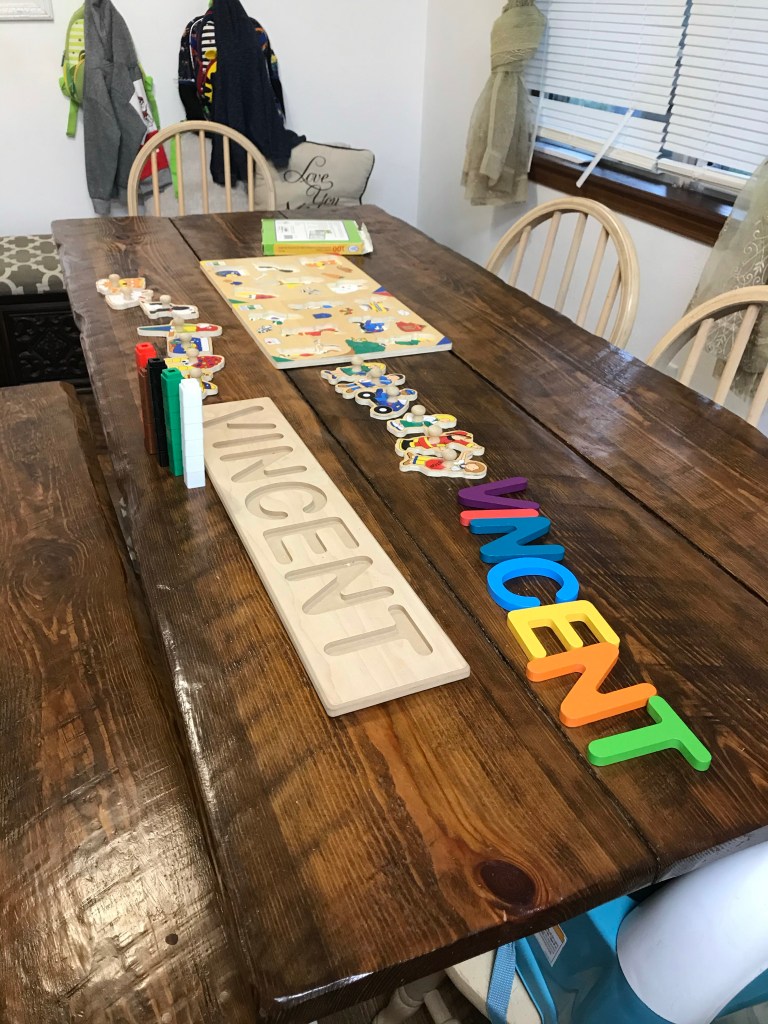
“Mommy gut” is very real. I work as a nurse in the emergency department and tell my patient’s parents this often. “We did not find anything to explain this tonight, but that does not mean there is nothing wrong. Follow your gut. If you feel like something is wrong, get another opinion.” This is exactly what I did and my child is now prospering because of it.
6. It’s Okay to Loose your Cool
You do NOT need to be the perfect Pinterest mom everyday. Therapies are a lot especially for toddlers and toddler parents! It’s okay to miss an appointment for the well being of your child. It’s okay to have a movie night or heck a day even if you need a break. Above all the therapies, above all the assessments and evaluations your child needs to know most that you love them and that you will always be there. Remember, that comes above all else.

7. Find Something YOU love
The schedule is tedious and draining. You will get overwhelmed and feel like you are not enough. You are. It’s just the fatigue talking. Find something that’s just for YOU! Whether it be a book club, the gym or binge watching a show on Netflix. Find something for you and make time for it a couple times a week. This will be good for EVERYONE’s sanity.

My peloton bike is my best friend! So much stress relief. You can use my referral code for $550 off your peloton bike purchase! X33PHC is the code at checkout.
I added a bench similar to this in our at home gym and we LOVE it!
8. One Step at a Time, One Day at a Time
Once you receive your diagnosis you will begin filling out assessment after assessment, evaluation after evaluation about the development of your child. They will ask you questions you have never thought of before like “can your child walk backwards?” Or “Does he/she make at least 3 advanced gestures?” The point is, all of these evaluations and assessments will spend so much time focusing on what your child CANNOT do that you may get lost. This may begin to shift your own focus.
Remember, your child is still doing amazing things everyday. Vincent is 4 years old. On paper, he cannot carry a conversation, he cannot cut a straight line, he does not eat food, isn’t potty trained.. the list goes on. BUT what they don’t write is Vincent is loving, he has been reading books on his own for almost a year, he is starting to add and can tell you all kinds of facts about animals and the cell. The evaluations focus so much on the negative that sometimes we begin to linger there too. Try to avoid this. Your child is SO much more than what the evaluation reads on paper.
The same thing goes for my youngest. On paper Maxwell isn’t speaking, he cannot recite his alphabet or hold a pencil but Maxwell is the most loving person you will ever meet. Although he has never told me he loves me I know that he does. He is always sneaking kisses and cuddles.
One day at a time, one step at a time. You can do this. Keep your head up. Keep trekking along. Remember your children’s gifts.


9. Don’t get Offended…EVERY-TIME.
People will stare. Everyone will have an opinion on how to raise your child, a theory, a “cure.” You have to know when to speak up and when to let it slide. You can’t go yelling at everyone that looks at you the wrong way in Wal-mart or you would never get any groceries bought. You can’t explain to every person you see that your child has autism and a developmental delay when they snub their nose at your child hand flapping down the isle. But, like mentioned before, you can educate your community.
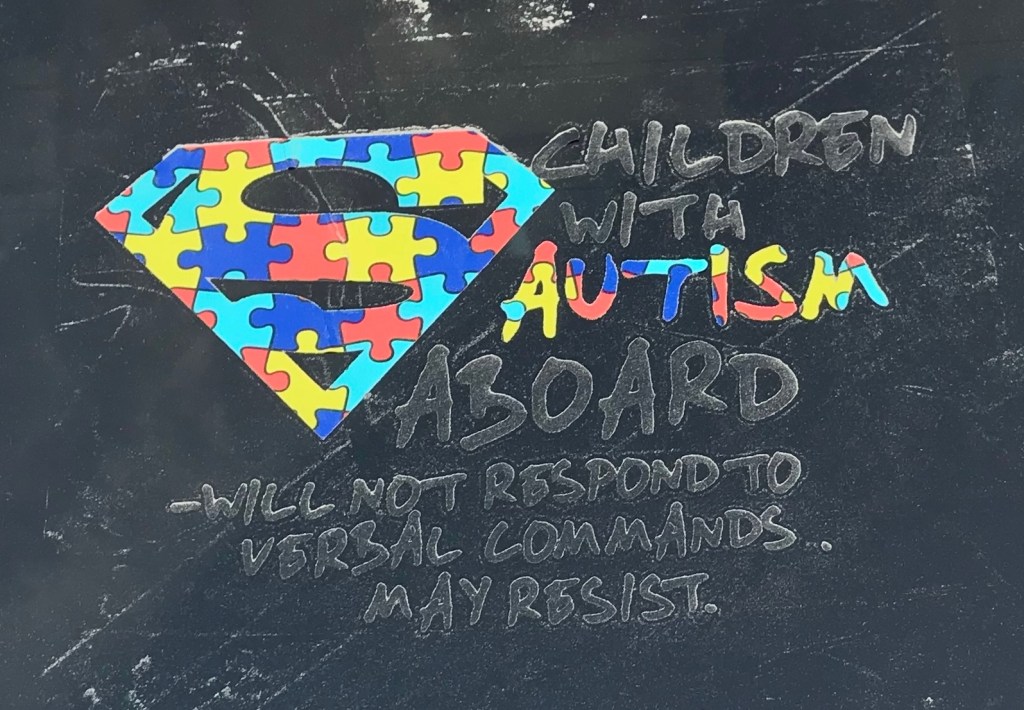
The more awareness we bring to autism and what it means to those diagnosed and their families the more understanding we will see in our community. So wear the shirt, make the Facebook post and raise your head high when you say “my child has autism.” We are their future.
10. You are an Amazing Mom
Lastly, I want to address the hardest thing that ANY mother deals with. The guilt that comes from feeling like you are never enough. I just want you to know that I know exactly how you feel. I understand what it’s like to spend all day planning, reading and scheduling and somehow still feeling inadequate. This is just the adversary trying to downgrade the noble work of a mother. You are doing the most important work on this earth. Our children are our future. Keep your head up mama. I have faith in you. You are exactly what your child needs.
This world may look different than what you had in mind when you found out you were expecting, but there is so much more to learn and appreciate here. You CAN do this.
If you want to continue to follow our journey in the autism community check us out on Instagram, Pinterest and TikTok: asdmama1017
 Supporting Autism Mamas